A reliable internet connection has become essential for work, education, entertainment, communication, and everyday household tasks. However, many people continue using the same internet package for years without considering whether it still meets their needs. As more devices are added to the home and online services become increasingly demanding, a connection that once felt fast may gradually become frustrating.
Upgrading your internet does not always mean choosing the most expensive package available. The right time to upgrade is when your current service regularly prevents you from completing online activities comfortably or efficiently. Recognizing the warning signs can help you make a practical decision and avoid paying for speeds you do not need.
Your Internet Regularly Feels Slow
Occasional slowdowns can happen with almost any internet service, particularly during periods of network maintenance or unusually high demand. However, frequent buffering, delayed page loading, or interrupted downloads may indicate that your current package is no longer suitable.
Pay attention to when the problems occur. If the connection slows down whenever several people are online, your household may be using more bandwidth than the package provides. Regularly testing your internet speed can help you compare the service you receive with the speeds advertised by your provider.
Before upgrading, restart your router and check whether its position is affecting the Wi-Fi signal. A poorly placed or outdated router can sometimes create performance problems even when the internet connection itself is fast enough.
More People Are Using the Connection
Household internet requirements often change over time. A connection that worked well for one or two people may struggle when several family members begin streaming, gaming, attending video calls, or using cloud-based applications at the same time.
Each connected activity uses part of the available bandwidth. Streaming a film, downloading a large game, and joining an online meeting simultaneously can place significant pressure on a basic internet plan. Smart televisions, security cameras, speakers, appliances, and other connected devices also contribute to overall usage.
When comparing local options such as St. Paul fiber internet, consider both the advertised speed and the amount of simultaneous activity your household typically generates. A faster, more stable connection may be worthwhile if multiple users depend on the internet throughout the day.
Video Calls Are Becoming Unreliable
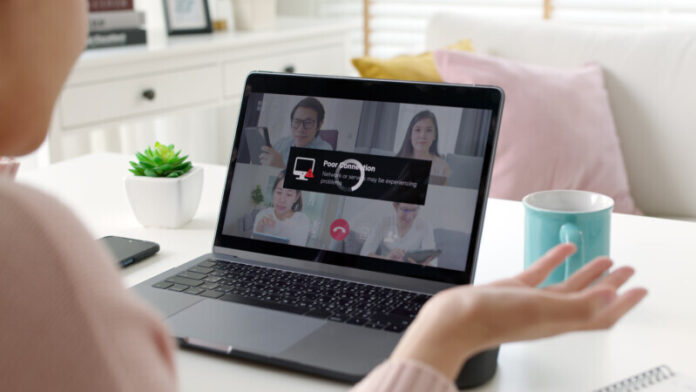
Remote and hybrid working have made dependable video conferencing increasingly important. Frozen images, distorted sound, and sudden disconnections can make meetings difficult and may affect how professionally you are able to communicate.
Video calls require both download and upload capacity. Many traditional internet plans place greater emphasis on download speeds, even though upload speeds are important for sending video, sharing files, backing up data, or broadcasting content. An upgrade may be appropriate if video calls remain unreliable after checking your equipment and improving the Wi-Fi setup. Look for a service with strong upload speeds, low latency, and consistent performance rather than focusing only on the highest advertised download figure.
Streaming No Longer Runs Smoothly
Repeated buffering can quickly spoil films, television programs, and live events. Higher-resolution streaming services require more bandwidth, especially when several screens are being used at once. Moving from standard-definition viewing to 4K content can create a noticeable increase in household internet demand. Upgrading can be helpful when entertainment services consistently struggle despite using modern equipment and a strong Wi-Fi signal.
You Are Paying Too Much for an Older Package
Internet providers frequently introduce new packages, speeds, and promotional rates. Customers who remain on an old contract may sometimes pay more for slower service than new customers pay for faster service. Review your bill and compare it with current offers in your area, but make sure to check the full monthly cost after any introductory period ends, as well as installation charges, equipment fees, price increases, and contract length.
Contacting your existing provider may result in a better deal without requiring you to switch. However, avoid upgrading solely because a salesperson recommends a higher speed. Base the decision on your actual household requirements.