
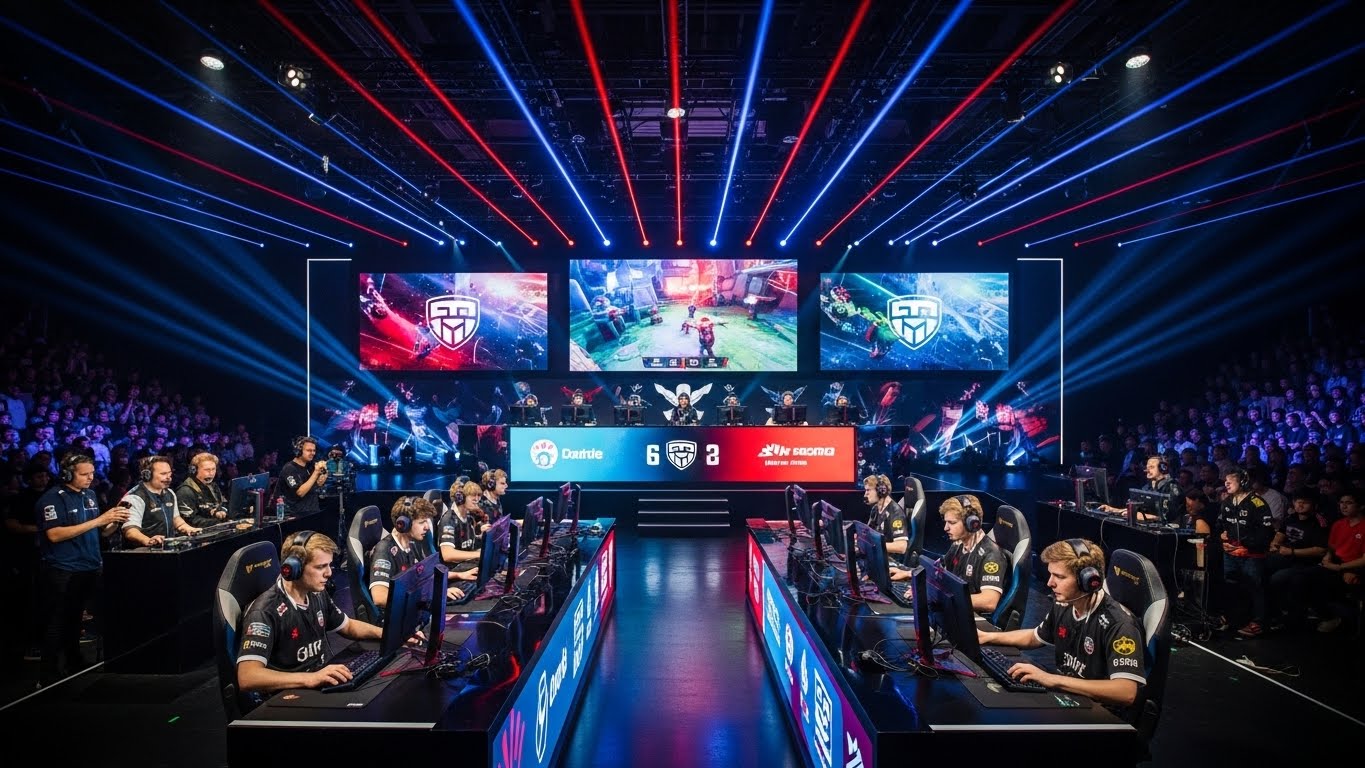
The world of scbet has grown faster than anyone imagined. What started as niche tournaments in cramped LAN rooms has now exploded into a global ecosystem of professional leagues, massive prize pools, and audiences rivaling traditional sports. Esports global leagues are no longer just “gaming competitions”—they’re a serious entertainment industry shaping the future of sports, media, and culture.
From regional circuits to worldwide championship formats, global esports leagues are building a new world of competitive gaming where teams, sponsors, and fans connect across borders. Let’s explore how these leagues work, why they matter, and what’s driving their meteoric rise.
League Structure
Pro-Level Formats
Global esports leagues are structured similarly to traditional sports leagues. Teams compete in regular seasons, playoffs, and international finals. This structure adds consistency and builds long-term fan loyalty.
Regional Divisions
Even global leagues often rely on regional divisions to nurture local talent. For example, many leagues have separate North American, European, and Asian stages before moving to a global finale.
Top League Examples
Major League Growth
Some esports leagues have become household names. The League of Legends World Championship, the Dota 2 International, and the Valorant Champions Tour are now global spectacles with millions of viewers.
Cross-Platform Events
The rise of cross-platform leagues means the audience isn’t limited to one game or region. Tournaments now blend multiple titles, attracting diverse viewers and expanding market reach.
Fan Engagement
Interactive Viewing
Esports fans don’t just watch—they interact. Live chats, fan voting, and real-time stats create a deeply engaging viewing experience. Global leagues leverage this engagement to build loyal communities.
Global Fanbases
Teams now have fans across continents. A player in South Korea can become a superstar in Brazil, and a team in Europe can gather millions of fans in India. This global reach is unprecedented in traditional sports.
Economic Power
Sponsorship Explosion
Brands are investing heavily in esports global leagues. From energy drinks to tech companies, sponsors recognize the value of reaching a young, engaged audience.
Media Rights Boom
Streaming platforms and broadcasters are competing for league rights. As viewership grows, so does the value of exclusive broadcasting deals.
Player Development
Talent Pipeline
Global leagues create a clear pathway for aspiring players. From amateur circuits to academy teams and professional leagues, the structure supports growth and skill development.
Training Ecosystem
Professional esports teams now operate like sports clubs. They have coaches, analysts, nutritionists, and performance staff to help players maintain peak form.
Tech and Production
Stadium-Level Shows
Major esports leagues are now hosted in massive arenas with live audiences, elaborate stage setups, and cinematic broadcasts. The production value is on par with major sports events.
Real-Time Data
Advanced analytics play a major role in esports leagues. Teams analyze gameplay in real-time, tracking performance, strategies, and opponent patterns.
Cultural Impact
Gaming as Culture
Esports global leagues are changing how society views gaming. Professional gaming is no longer seen as a hobby—it’s a legitimate career and entertainment industry.
Global Unity
Esports brings people together across language, culture, and geography. Fans unite around teams and players, creating a shared global culture.
Challenges Ahead
Sustainability
As esports grows, sustainability becomes crucial. Maintaining fair competition, managing player burnout, and ensuring ethical sponsorship are major concerns.
Market Saturation
With many leagues emerging, maintaining quality and audience interest is challenging. Only the strongest and most consistent leagues will thrive long-term.
Future Trends
Franchise Expansion
Many leagues are moving toward franchise models, similar to traditional sports. This creates stability for teams and long-term investment opportunities.
Emerging Markets
Regions like Southeast Asia, Latin America, and the Middle East are becoming major esports hubs. These markets will shape the next phase of global league growth.
Conclusion
login sbobet global leagues are the future of competitive gaming. They are transforming gaming into a mainstream entertainment industry with global reach, massive sponsorship, and professional infrastructure. As these leagues expand, they will continue redefining what it means to be a “sports fan” in the digital age.
The world is watching. And esports is just getting started.
Leave a Reply